
5 Key Takeaways from the Rise of Bad Bunny: Culture, Courage, and Collective Healing
Written by Dr. Hersha Diaz
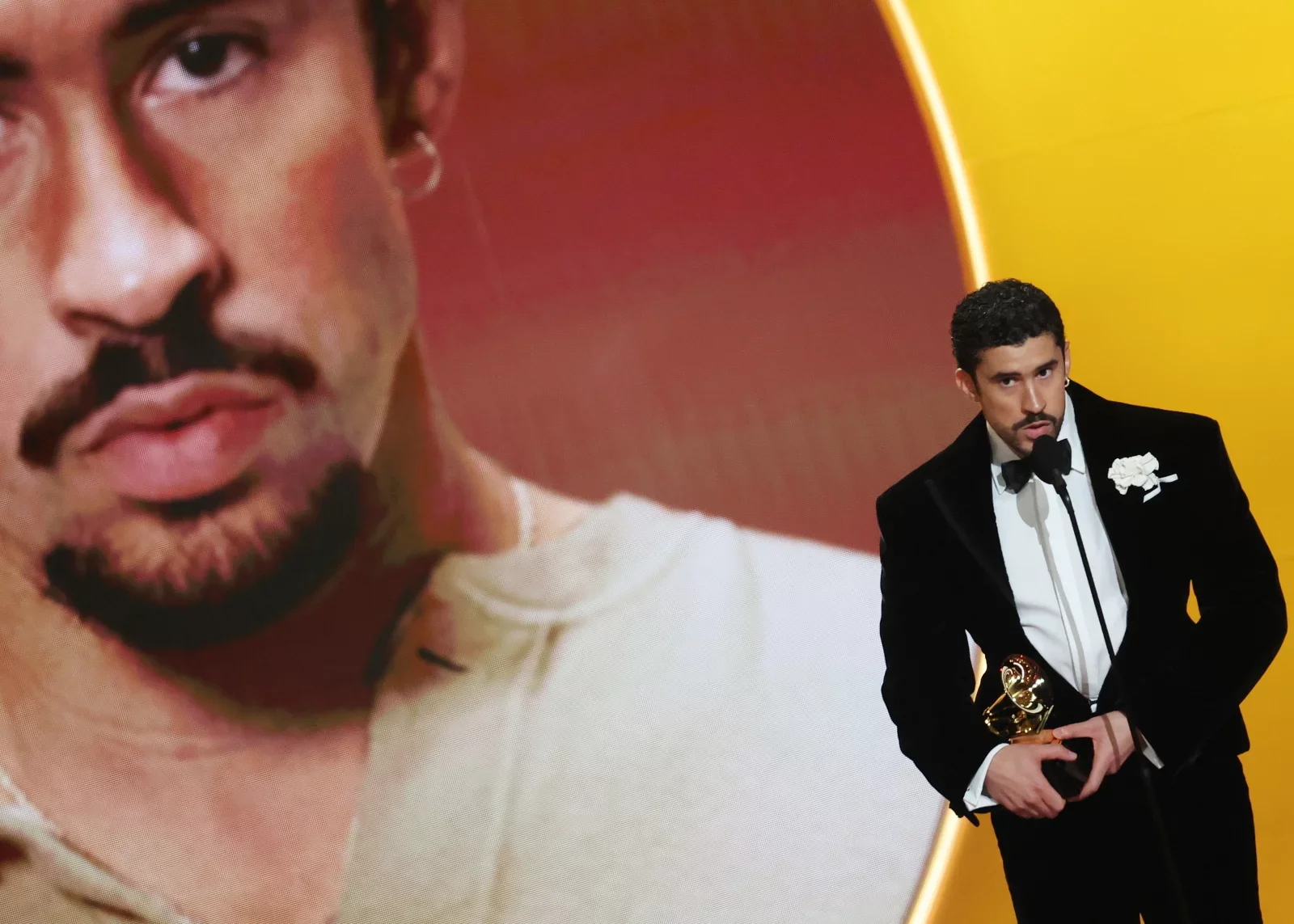
Benito Antonio Martínez Ocasio—known globally as Bad Bunny—is more than a music phenomenon. His rise from Puerto Rico to global superstardom represents a cultural and psychological moment worth paying attention to. Recently, Bad Bunny made history by winning three Grammy Awards, including Album of the Year, and preparing to perform at the Super Bowl as the first artist to perform entirely in Spanish. His success has sparked celebration, pride, and controversy—especially during a time when many Latinos and people of culture are being profiled, threatened, marginalized, and harmed. His journey offers us more than entertainment. It offers lessons in identity, resilience, and collective healing.
Here are five key takeaways we can integrate into our lives, communities, and movements by understanding Bad Bunny’s rise.
1. Cultural Authenticity Is Not a Limitation—It’s the Power Source
Bad Bunny never diluted who he was to be more “palatable.” He didn’t translate himself for comfort. He didn’t abandon his accent, his slang, his politics, or his culture.
Instead, he leaned into them.
Takeaway:
Authenticity creates resonance. When people are rooted in who they truly are, they attract connection rather than approval.
What we can integrate:
Stop code-switching to survive spaces that were never built for us
Trust that our cultural voice has value—even when it challenges norms
Model self-acceptance so others feel permission to do the same
Psychologically, this kind of authenticity reduces shame and strengthens identity—both essential for healing
2. Cultural Preservation Is Art, Resistance, and Power
Bad Bunny’s work preserves Puerto Rican culture, language, and political reality. His music honors history while speaking directly to the present—colonialism, displacement, gentrification, and resistance.
Culture is not nostalgia. It is living memory.
Takeaway:
Preserving culture is not backward-looking—it is an act of survival and power.
What we can integrate:
Use art, storytelling, and education to protect cultural memory
Teach younger generations pride instead of silence
Understand that culture is a psychological anchor during times of instability
When culture is erased, people lose grounding. When it’s honored, people heal.
3. Invest Intentionally Back Into Your Community
Bad Bunny consistently reinvests his success into Puerto Rico—economically, politically, and culturally. He uplifts local artists, speaks about injustice, and uses his platform to redirect attention and resources back home.
Success, for him, is not individual—it’s collective.
Takeaway:
True success is measured by who you bring with you.
What we can integrate:
Redirect time, money, and visibility into community-based work
Support grassroots organizers, artists, and healers
Build systems that don’t rely on saviors but on shared leadership
Community investment builds trust—and trust is the foundation of healing.
4. The Power of Our Collective Voices
Bad Bunny’s Spanish-language Super Bowl performance is not just symbolic—it’s disruptive. It challenges who gets to be seen, heard, and celebrated on the world’s biggest stages.
The uproar surrounding his success reveals a deeper truth: visibility threatens systems built on exclusion.
Takeaway:
Collective voices shift culture faster than silence ever could.
What we can integrate:
Speak boldly even when it makes others uncomfortable
Normalize multilingualism, multiculturalism, and plurality
Stand in solidarity rather than competition
From a psychological lens, collective expression reduces isolation and counters internalized oppression.
5. Love Is the Answer—But It Starts With Self-Acceptance
At its core, Bad Bunny’s rise reflects radical self-love: loving one’s language, body, people, land, ancestors, and truth.
This is not soft love. It is fierce, grounded, and unapologetic.
Takeaway:
Healing the world begins with accepting ourselves fully—history, pain, joy, and all.
What we can integrate:
Teach love as responsibility, not just emotion
Accept our ancestral history to learn, not avoid it
Choose healing over erasure